

Girl Child Day: UNICEF urges stronger parenting
Parents, traditional and community leaders, and other key stakeholders have been encouraged to reinforce constructive parenting practices and allocate resources toward the education, health, and future prospects of girls to mitigate child marriage in Bauchi and Gombe states.
This appeal was issued on Thursday during a forum organized by the United Nations Children's Fund in partnership with traditional leaders, women's organizations, collaborating partners, media representatives, and girls to mark the 2026 International Day of the Girl Child.
The forum, conducted in Gombe, assembled stakeholders from both Bauchi and Gombe states to recognize achievements, amplify girls' perspectives, and examine concrete strategies to advance girls' rights, welfare, competencies, and prospects.
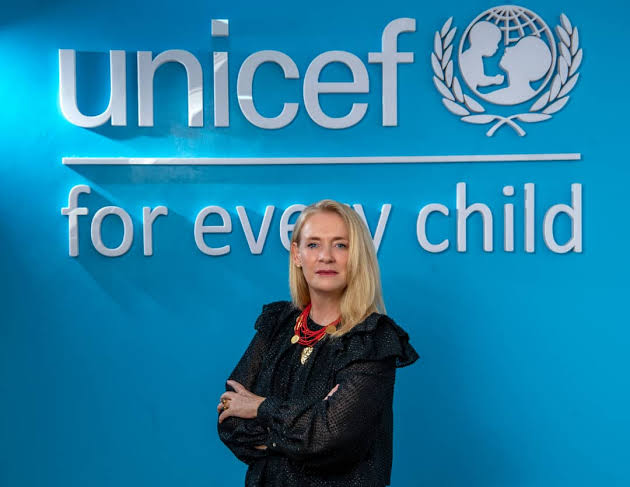
During the forum, Dr Nuzhrat Rafiq, UNICEF Chief of the Bauchi Field Office, emphasized that constructive parenting constitutes a fundamental intervention necessary to eliminate detrimental social practices, particularly child marriage.
Rafiq stated, "Today marks the International Day of the Girl Child, with the focus on eliminating child marriage and supporting the girl-child.
"This represents a significant platform for UNICEF to champion the elimination of child marriage. Numerous traditional leaders, community members, non-governmental organizations, and institutions are actively engaged in combating child marriage and safeguarding girls' rights.
"Consequently, we have utilized this occasion to advocate across multiple sectors, encompassing education, health, nutrition, and social policy. We are also appealing to all parties, including state partners, members of the House of Assembly, and sector commissioners, to participate in investing in the girl-child, which would facilitate the eradication of child marriage."
Rafiq noted that child marriage prevalence continues to represent a critical challenge in both Bauchi and Gombe, emphasizing that neglecting this issue would deprive girls of the opportunity to realize their complete capabilities.
"Current data demonstrates that Bauchi experiences notably elevated rates of child marriage and early marriage. This phenomenon is similarly evident in Gombe as well.
“We cannot ignore this issue because if child marriage does not end, girls will not get the right opportunities to grow to their best potential. If girls are behind, then the nation will be behind,” she said.
The UNICEF official said girls needed access to healthcare, nutrition, education and opportunities to pursue careers so that they could contribute meaningfully to society as adults.
Rafiq said, “Positive parenting is one of the key interventions because the decision is in the hands of parents, especially fathers.
“Only positive parenting can have an impact at the community level for people to make the right decisions about their daughters and sisters.
“I have already talked to traditional leaders who were here that they need to take the lead on it. Positive parenting is very, very important. Our education sector, social policy, women’s affairs and health sector can all contribute towards positive parenting.”
She identified education as one of the most effective investments Nigeria could make to address child marriage, urging stakeholders to ensure inclusive access to education for every girl, including those living with disabilities.
“One of the best interventions is education. If you start with access to education for every girl-child and inclusive education for every girl-child, even disability inclusion is very important; every child everywhere should have equal access to education.
“Girls can study primary and go to secondary school and then grow. Meanwhile, their age also goes beyond the child marriage period. That has been one of the best interventions with multiple outcomes and multiple benefits,” she added.
Also speaking, UNICEF Bauchi Field Office Child Protection Specialist, Lafiya Alabi, identified harmful social norms and practices as major obstacles to the full realisation of the rights of the girl-child.
Alabi said many harmful practices had become accepted within communities because people considered them normal simply because they had been practised for generations.
“One of the things that we find to be a very big challenge in the holistic realisation of the rights of the girl-child is the issue of social norms, the practices that we are so used to within our environment.
“Everybody is doing it in a simple form. It looks like that is what everybody does. It looks like that is what I have to do and what everybody else has to do. These things become like social laws around us,” he said.
He explained that such norms could negatively affect girls’ education, health, confidence and future opportunities, stressing the need to work with traditional and religious leaders, communities and other stakeholders to change harmful practices.
The International Day of the Girl Child is celebrated annually on October 11.
This year’s celebration is themed “Ending Child Marriage and Investing in the Girl Child.”